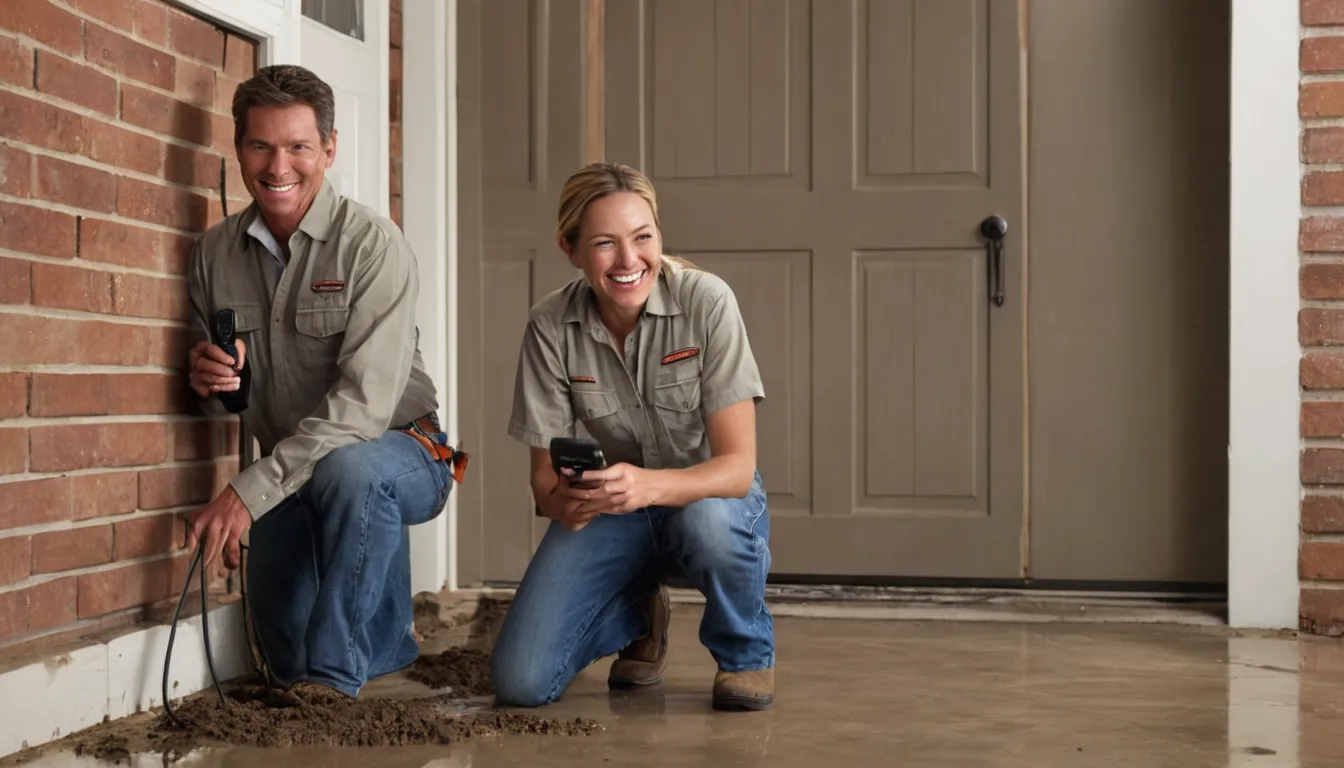
Termites are quiet. They eat wood from the inside, and you may not see them until the damage is well along. In San Antonio, warm weather and wet soil keep them active for much of the year.
Supportedmonthly Pest Control is a referral service. We do not treat homes. We point you to independent providers in our network who handle termite inspections and treatment. Our focus is simple: get your photos, notes and records in order first. Then the estimates you get are easier to compare, and the options make sense before anyone starts work. Know your options. Ask, then decide.
Think You Have Termites? Start Here
Act this week. Do not wait for a perfect answer. Termites keep feeding while you decide.
The short path is easy. Take photos. Write notes. Then ask a provider for an inspection and a written estimate.
Document It First
Good records make every step easier. They help a provider see what you saw. They also help if you ever talk to your insurer.
- Photos of mud tubes, wings, or damaged wood, with a coin for scale
- The date and spot of each sighting
- Notes on past leaks, repairs, or earlier treatments
- Any old termite reports or warranties you still have
Why Termites Need Prompt Attention
Damage grows in the dark. Wood can look fine on the surface and be hollow inside. Hot, humid summers and mild winters mean termites here rarely slow down for long. A small problem can turn into a repair bill.
Know the Warning Signs
Look for these. Any one is worth a closer look.
- Pencil-width mud tubes on foundation walls or piers
- Piles of small wings near windows or doors
- Wood that sounds hollow when you tap it
- Paint that bubbles or wavy drywall
- Doors and windows that suddenly stick
- Tiny pellets, like sawdust, under a wood edge
Swarmers or Flying Ants?
Both show up with wings. Termites have a thick waist and two wings of equal length. Ants have a pinched waist and uneven wings. Save a few in a zip bag. A provider can tell you in seconds.
Where to Check on a Slab Home
Many local homes sit on a slab. Termites can slip through tiny cracks. Check the slab edge, the garage walls, and spots where pipes come through the floor. Look behind stored boxes too.
Where to Check on Pier-and-Beam Houses
Older homes have crawl spaces. Look at the piers, the joists, and any wood touching soil. Wear gloves and bring a flashlight. Photograph anything odd. If the space is tight or wet, let a provider go in.
Attics and Roof Lines
Hot attics hide problems. Drywood termites can live in dry roof wood. Check for pellets on rafters and stains near leaks. Take photos from a safe spot. Do not walk on unfinished attic floors.
Types of Termites
There are three main kinds. Subterranean termites live in soil and build mud tubes. They are the most common. Drywood termites live inside the wood itself and leave pellets. Dampwood termites like very wet wood, and they are less common in homes.
The type matters. It changes the treatment.
Storm Season and Moisture
Heavy rain feeds the problem. Soaked soil, clogged gutters, and roof leaks all draw termites. Fix drainage. Pull mulch back from the foundation. Keep wood off the ground. Note any storm damage in your records.
How Termite Treatment Works
It usually goes in order. First, an inspection. Then a written plan. Then treatment.
- Liquid barrier: treated soil around the foundation
- Bait stations: placed in the ground and checked over time
- Spot treatment: aimed at small drywood areas
- Fumigation: a tent over the whole home, for heavy drywood cases
Know Your Options
No single method fits every house. Ask why a provider picked theirs. Ask what the other choices are. Ask how long each lasts and what follow-up visits look like.
Questions to Ask Before You Agree
- What kind of termite did you find?
- Which areas are affected?
- What is in the written quote, and what is not?
- Do I need to leave the house? For how long?
- What does the warranty cover, in writing?
Termite Inspections for Home Sales
Buyers and lenders often ask for a termite report. Get one early if you are selling. If it shows activity, you can treat it before the sale. If you are buying, read the report closely and keep a copy.
Choosing a Termite Provider
Providers in our network are independent. Check that any provider holds the state license your state requires. Ask for proof of insurance. Compare at least two written estimates. Be careful with anyone who pushes you to sign on the spot.
If you searched for an exterminator near me, remember that nearby is good, but clear paperwork matters more.
Insurance and Your Records
Many policies exclude termite damage. Some may cover sudden damage from other causes. Check your policy. Providers can often help document damage for a claim. Your own photos and notes make that job easier.
After Treatment
Keep every document. File the invoice, the warranty, and the treatment map. Ask when to schedule the next check. Watch for new mud tubes or wings. Report anything new to the provider early.
Also keep wood and mulch away from the foundation. Fix leaks fast. Termite control is part treatment, part upkeep.
What's Included
Inspection Review
A provider checks the slab edge, crawl space, attic and wood trim for signs of termites.
Written Quote
You get the method, the areas covered, and the price on paper.
Treatment Plan
Barrier, bait, or spot treatment, matched to the termite type and your home.
Follow-Up Checks
Many providers schedule return visits to confirm that the treatment is working.
Typical Termite Treatment Costs
Prices vary by home size, termite type, and how far the problem has spread. These are typical U.S. ranges. Always get a written quote before work starts.
| Item | Typical range | Notes |
|---|---|---|
| Termite inspection | $75 – $300 | Often needed for a home sale |
| Liquid soil barrier | $1,200 – $3,000 | Based on foundation length |
| Bait station system | $1,500 – $3,500 | Includes monitoring visits |
| Spot treatment | $250 – $900 | For small drywood areas |
| Whole-home fumigation | $2,000 – $6,000 | Size and access change the price |
| Annual renewal or monitoring | $200 – $400 | Keeps the warranty active |
How It Works
Gather Your Evidence
Take photos of damage, wings, or mud tubes. Write down dates and locations.
Reach Out
Request a callback to check provider availability, or send the request form.
Compare Estimates
Review written quotes side by side. Ask why each method was chosen.
Schedule Work
Pick a provider, confirm the plan, and file your paperwork.
Why Call Supportedmonthly Pest Control
Records Come First
Photos, notes and old reports help providers give clearer estimates and help any insurance conversation.
Clear Options
We explain the common methods so you can ask sharper questions before anyone starts work.
Local Providers
Independent providers in our network know the soil, weather and home styles in your area.
No Pressure
Ask, then decide. Requesting an estimate carries no obligation.
Other Services
Need termite treatment in San Antonio?
Request a callback to check provider availability, or send a request with your photos and notes. No obligation to hire anyone.
No obligationTermite Treatment FAQ
- How do I know if I have termites or just ants?
- Check the body. Termites have a thick waist, straight antennae and equal-length wings. Ants have a pinched waist and bent antennae. Save a sample in a bag and show it to a provider.
- Does homeowners insurance cover termite damage?
- Many policies exclude termites because the damage is slow. Some may cover sudden damage from other causes. Check your own policy, and ask a provider to help document the damage for a claim.
- How long does termite treatment take?
- It depends on the method. Many liquid barrier jobs take a day. Bait systems take longer to work. Fumigation takes a few days. Ask for the timeline in writing.
Get in touch
Request a callback to check provider availability, or send a request with your photos and notes. No obligation to hire anyone.
No obligation